Lawmakers weigh ambulance reimbursement bill as EMS crisis grows across Kentucky
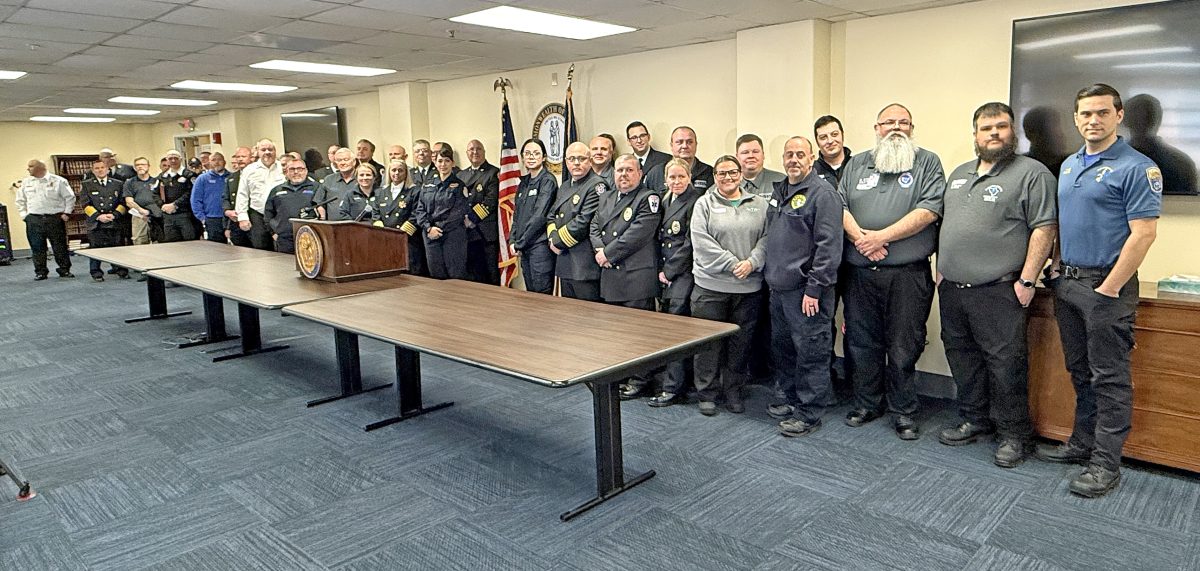
Ambulance workers from around the state were on hand to support the legislation. PHOTO | Dennis Brown
By Dennis K. Brown
Guest Contributor
FRANKFORT — A bill aimed at stabilizing Kentucky’s struggling emergency medical services system is drawing strong support from first responders and local officials, along with caution from the health insurance industry over potential cost increases.
House Bill 447, sponsored by Rep. Rebecca Raymer, R-Morgantown, would require health insurance plans to cover emergency ground ambulance services, including those provided by out-of-network providers. The measure would also establish minimum reimbursement standards and prohibit balance billing for patients.
Supporters say the legislation is needed to address what they describe as a growing crisis in emergency medical services, particularly in rural communities where ambulance providers often struggle to remain financially viable.
“I filed this legislation to address a crisis that has been building quietly for decades,” Raymer said. “For far too long, insurance companies have reimbursed ambulance services at rates that do not come close to covering the actual cost of care.”
Under the bill, insurers would be required to reimburse out-of-network emergency ambulance providers at the local government’s established rate, if one exists, or at the lesser of 400 percent of the Medicare rate or the provider’s billed charges. The measure would apply to health plans issued or renewed on or after January 1, 2027.
Raymer said low reimbursement rates have forced many counties to subsidize ambulance services or risk losing coverage altogether.
“When insurers pay less than half of an EMS bill, the shortfall does not disappear,” she said. “It gets pushed onto local governments and taxpayers.”
Emergency responders, local officials, and EMS leaders from across the state gathered in Frankfort last week to support the bill, describing long response times, staffing shortages, and aging equipment.
According to data from the Kentucky Emergency Response Alliance, nearly 92 percent of Kentucky’s counties are considered ambulance deserts, meaning residents live more than 25 minutes from the nearest service. Average rural response times are about 14 minutes, with some patients facing extended transport, according to local officials.
John Holder, chair of the Kentucky Board of Emergency Medical Services, said staffing shortages are forcing many paramedics to work multiple jobs to keep services operating.
“Paramedics are clocking out from one shift and driving to another county to work again,” Holder said. “If they do not, that community may not have coverage.”
Jim Duke, an officer with the Kentucky Ambulance Providers Association, said many responders are working under intense physical and emotional strain.
“You see burnout. You see PTSD. You see people worn down,” Duke said. “That affects patients and providers alike.”
Local officials also shared concerns about the financial burden of maintaining ambulance coverage.
George Sparks, judge/executive of Lewis County, said his county faced the loss of private ambulance service in 2022 after the provider announced it could no longer operate at a loss.
Lewis County ultimately created its own EMS district after months of negotiations and temporary subsidies to the provider.
“Many counties do not have the resources to do what we did,” Sparks said. “This bill gives other communities a fighting chance.”
In addition to setting reimbursement standards, House Bill 447 would limit what patients can be charged when an out-of-network ambulance responds to an emergency.
Supporters say this provision is critical, since patients have no control over which ambulance arrives when they call 911.
Berea Mayor Bruce Fraley, who also serves as first vice president of the Kentucky League of Cities, said the bill would help families avoid unexpected medical bills while protecting local budgets.
“House Bill 447 strengthens emergency services, protects residents, and brings greater stability to city finances,” Fraley said.
Raymer said the measure is designed to balance patient protection with fair compensation for providers.
“This bill is about accountability, fairness, and preserving lifesaving services in every community,” she said.
While acknowledging the challenges facing EMS providers, health insurance representatives have raised concerns about the potential impact on premiums.
The state’s actuaries estimate the bill could increase premiums by about $1.27 per person per month. That amounts to roughly $60 to $70 annually for a family of four.
Industry officials say those increases could be felt by working families already facing rising health care costs.
“This is just one of many insurance mandate bills that have been filed this session that would hike premiums. Legislators should know that they are going to be pushing more people to the Medicaid rolls by making private insurance unaffordable for working families,” said a spokesman for Kentucky Association of Health Plans.
Raymer said she understands those concerns but believes the benefits outweigh the added expense.

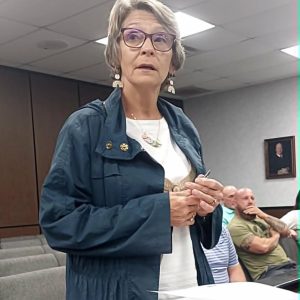
State Representative Rebecca Raymer spoke in support of the legislation for a fairer payment for Ambulance services. PHOTO | Dennis Brown
“I know insurance companies are going to have an issue with setting reimbursement rates,” she said. “But the problem we are trying to address is grave.”
Supporters also argue that many communities are already paying far more through local taxes and subsidies to keep ambulance services operating.
House Bill 447 has been assigned to the House Banking and Insurance Committee but has not yet been scheduled for a hearing.
Raymer said discussions are continuing with legislative leadership and stakeholders.
“Everybody acknowledges there is an issue,” she said. “We cannot wait until more services fail.”
Advocates say the bill represents an effort to stabilize a system that many believe is nearing a breaking point.
“When someone dials 911, they expect help to come,” Raymer said. “This legislation is about making sure that happens, in every county, every time.”
Dennis Brown is a friend and former President of Kentucky Press and fellow newspaper publisher/owner of our own Jeff Jobe of Jobe Publishing.