Hypothermia and Frostbite
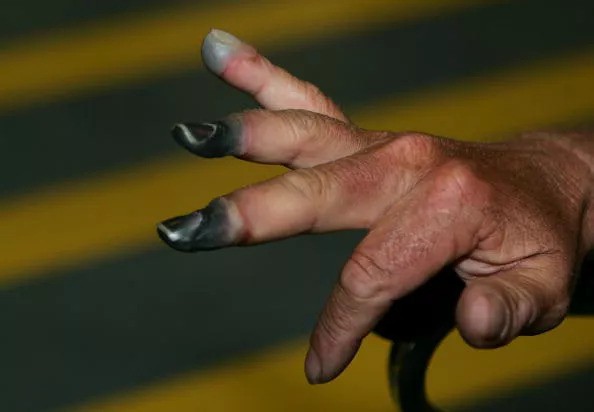
A hand with second and third-degree frostbite. Photo| Getty Images
By PJ Martin
Editor
The Herald-News
The local cold snap and the below-zero wind chill of winter have us looking for ways to protect ourselves from the cold. Extremities are susceptible to hypothermia and frostbite and careful attention should be paid to hands, feet, and facial features.
According to the National Institute on Aging (NIA), body temperature that is only a few degrees below normal is dangerous. A drop to 95 degrees or below could cause a heart attack, kidney problems, liver damage, and more if endured for a period of time.
The temperature of the body drops below 95° F when the body is losing heat faster than it can produce it. This is an emergency. The CDC lists the following symptoms of hypothermia in adults and infants.
Adults – shivering, exhaustion, confusion, fumbling hands, memory loss, slurred speech, and drowsiness.
Infants – bright red, cold skin, and very low energy.
You should seek medical attention in cases of suspected hypothermia. While waiting for medical attention you can do several things. If possible, remove the victim from the cold to a warmer area and keep them in a lying down position (horizontal). Do not rub or massage the skin and touch them carefully.
If they are in wet clothing remove it and wrap them in layers of blankets or coats to keep them warm. Cover their head, leaving just the face exposed. Do not apply direct heat; however, you can apply warm, dry heat such as warm towels.
An ounce of prevention goes a long way in preventing hypothermia.
- If you live alone, have someone check on you regularly.
- Ask your doctor if you have any health problems or are taking any medications that might make you more vulnerable to hypothermia.
- Avoid going to cold places or staying outside too long, especially if it’s windy.
- Keep up your weight. Fat under your skin can protect your body from cold.
- Avoid alcoholic drinks. They increase the loss of body heat.
- Dress for warmth. Wear several layers of loose-fitting clothing. Warm air will be trapped between layers.
Frostbite
Frostbite occurs when the skin and the tissues underneath freeze. The water within your skin freezes and crystalizes and prevents blood flow to the area causing tissue to die. The most common cause of frostbite is severe cold-weather temperatures, but it can also be caused by direct prolonged contact with very cold water, ice, or cold metal.
You can get frostbite in 30 minutes or less when the wind chill is -15 F. Wind chill makes a huge difference in the temperature and how fast you can get frostbite. Small children and the elderly are more susceptible to frostbite and should be watched carefully.
The most common areas of the body to get frostbite are fingers, toes, nose, ears, cheeks, and chin. You may not even realize you have frostbite, because of the numbness it produces. The skin color will change on the affected area and that may be your first sign that there is a problem.
According to the Mayo Clinic, there are stages of frostbite and the first is called frostnip or first-degree frostbite. The affected part may feel numb, but when slowly warmed by warm (not hot) water for 15-30 minutes the area begins to feel painful and has the sensation of needles or tingling.
The Mayo Clinic lists the following as symptoms of frostbite.
- At first, cold skin and a prickling feeling
- Numbness
- Skin that looks red, white, bluish-white, grayish-yellow, purplish, brown, or ashen, depending on the severity of the condition and usual skin color
- Fever develops after rewarming
- Hard or waxy-looking skin
- Clumsiness due to joint and muscle stiffness
- Blistering after rewarming, in severe cases
You should seek medical attention for frostnip or frostbite if you have any of these symptoms. There are some things you can do while waiting for medical attention. Remove any wet clothing, protect the frostbitten area from receiving more cold, and do not walk on frostbitten feet.
The Cleveland Clinic lists the following definitions of frostbite stages:
- Frostnip (first degree) – Frostnip is a mild form of frostbite. Continuing exposure to cold will cause numbness in the affected area. As your skin warms, you can feel pain and tingling. Frostnip does not cause permanent skin damage.
- Superficial frostbite (second degree) – Superficial frostbite causes changes in skin color. The skin may begin to feel warm. That’s a serious sign. If you rewarm the area at this stage, the surface of the skin may appear mottled. It may start to sting, burn, or swell and after 12-36 hours, fluid-filled blisters may form.
- Deep (severe) frostbite (third degree) – This affects the tissue layers below the skin. The skin turns white or blue-gray and you lose all sensation to cold or pain. Joints or muscles may stop working. Large blisters form 24 to 48 hours after rewarming. The tissue turns black and hard as it dies. This stage can include amputation as a treatment.
Animals are at Risk
All animals are at risk of developing frostbite; however, some pets have an increased risk such as seniors, small breeds, cats, short hair or hairless breeds, puppies and kittens, and animals with heart disease or chronic illness.
According to Animal Emergency Care frostbite is often a precursor to hypothermia which can be fatal in some cases. Frostbite’s signs are harder to detect in pets, but check foot pads and ears changes. As with human, this can result in damage and potential loss of the body part.
Watch for the following signs:
- Skin that first appears pale or bluish-white, and later becomes red and puffy
- Red or gray-tinged skin on the ears, tail, or nose
- Skin that appears brittle or shriveled and stays cold to the touch
- Pain in the ears, tail, paws, or nose when touched
- Ice crystals in or around the nose
Treatment consists of slowly warming your pet and seeing a veterinarian as soon as possible.