Kratom: An Herbal Supplement or Illegal Drug
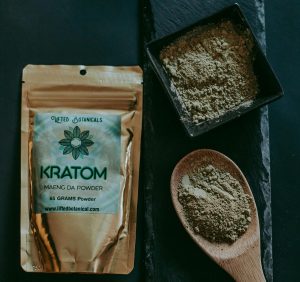
An example of Kratom in the package and the powder form. Photo | Pexels
By PJ Martin
Editor
The Herald-News
Maybe you haven’t heard of it, but supporters are saying it is a plant-based herbal extract that eases pain and makes opioid withdrawal easier; however, there are currently no uses for kratom approved by the U.S. Food and Drug Administration.
Those against it are saying it is addictive, being abused by teens, and it’s like playing with fire. They also want it regulated much more than it currently is.
How People First Heard About It:
- 21% first learned about it from influencers.
- Another 21% via friends or family.
- 7% through doctors or medical sources.
- 16% through news coverage.
- And 35% admit they have never heard of it.
Kratom is on the list of substances under surveillance by the World Health Organization (WHO) Expert Committee on Drug Dependence (ECDD).
Where does it come from?
Kratom is a tropical tree that grows in Southeast Asia. Consuming the leaves can have stimulant effects (in low doses) and sedative effects (in high doses). The substance can cause delusions, hallucinations, confusion, and become addictive.
According to a 2021 report listed by the National Institute on Drug Abuse (NIDA), there are three kinds of kratom with differing leaves and potency:
- Red Veined (called “Kan daeng” in Thai)
- White Veined (known as “Tang gua”)
- Yak yai’, with two small teeth-like formations near the apex of the leaf
The Kratom leaves have two main ingredients (mitragynine and 7-hydroxymitragynine). The leaves can be chewed or crushed and ingested through smoking, brewed with tea, or placed into gel capsules. Kratom has long been used in Southeast Asia, and is called many names: thang, kakuam, thom, ketum, and biak. The abuse of Kratom has increased exponentially in the U.S. in recent years.
Source: https://www.dea.gov/sites/default/files/2020-06/Kratom-2020_0.pdf
An estimated 1.7 million Americans used kratom in 2021, according to a national survey by the Substance Abuse and Mental Health Services Administration.
Among people aged 12 or older in 2021, an estimated 0.6% (or about 1.7 million people) reported using kratom in the past 12 months (2021 DT 8.22). Source: 2021 National Survey on Drug Use and Health
According to a recent report by Kentucky Health News, the substance referred to as 7-OH is a concentrated byproduct of the kratom plant, which is increasingly recognized as having the potential for abuse because of its ability to bind to opioid receptors.
“When kratom is altered to create synthetic opioids, it becomes a threat to the public’s health,” state Health Secretary Dr. Steven Stack said in the release. “It puts people at risk and undermines the strides Kentucky has made in reducing the scourge of addiction.”
In a November 5th press release, Governor Andy Beshear announced that his administration is “taking action to prevent the sale and distribution of 7-hydroxymitragynine (7-OH) by moving to classify it as a Schedule I narcotic. This designation makes it illegal to sell, possess or distribute any isolated or concentrated forms of 7-OH, as well as kratom, in Kentucky.”
The Kratom Consumer Protection Act (KCPA) of 2021 is legislation designed to regulate the sale and distribution of kratom products to ensure safety and quality.
Kratom is fully legal in Kentucky for adults to possess, purchase, consume, and travel within the state as long as they are 21+ years of age with verification for purchase. Kentucky also required product labeling, testing standards, and vendor registration for consumer safety. For more specific information, go to: https://altlaw.org/kentucky-kratom-legal-status/.
Neighboring State Status:
- Tennessee: Legal with similar consumer protections
- Virginia: Legal with age restrictions
- West Virginia: Legal without specific regulations
- Ohio: Legal in most areas, some local bans
- Indiana: Legal with ongoing legislative discussions
- Illinois: Legal with consumer protection measures
- Missouri: Legal without specific state regulations
If you or a loved one is struggling with addiction, the KY HELP Call Center can get you in touch with a treatment facility, by calling 833-8KY-HELP (833-859-4357), or searching FindHelpNowKy.org to see a list of treatment centers.