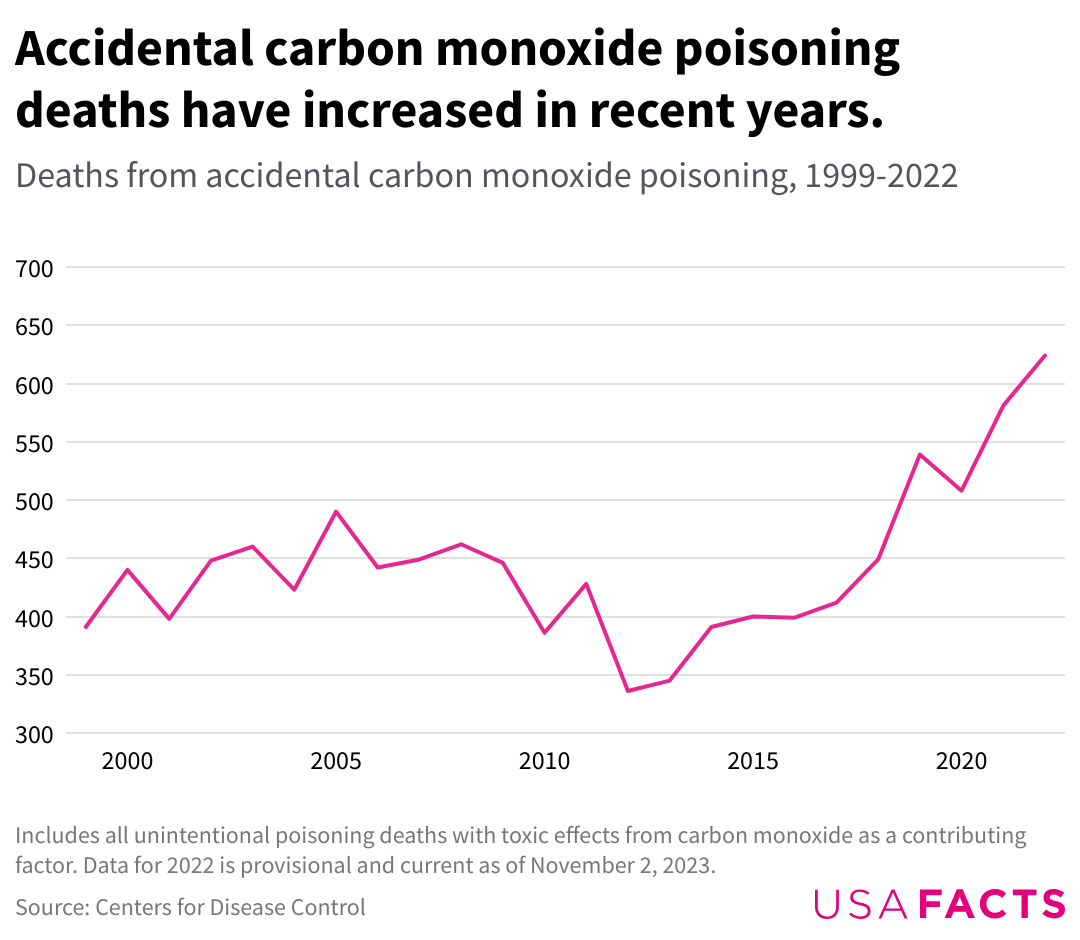
Carbon Monoxide Poisoning
 By PJ Martin
Editor
The Herald-News
Bad weather sometimes leads to power outages and people turn to portable generators, propane gas stoves, and gas ovens used as heat sources indoors. These items can all lead to carbon monoxide poisoning if safety precautions are not taken.
Carbon monoxide (CO) is an odorless, invisible gas produced when gasoline, natural gas, propane, kerosene, and other fuels are not completely burned during use. When too much carbon monoxide is in the air, the body replaces the oxygen in the red blood cells as we breathe in the carbon monoxide which then builds up in the blood. This can lead to serious tissue damage or even death.
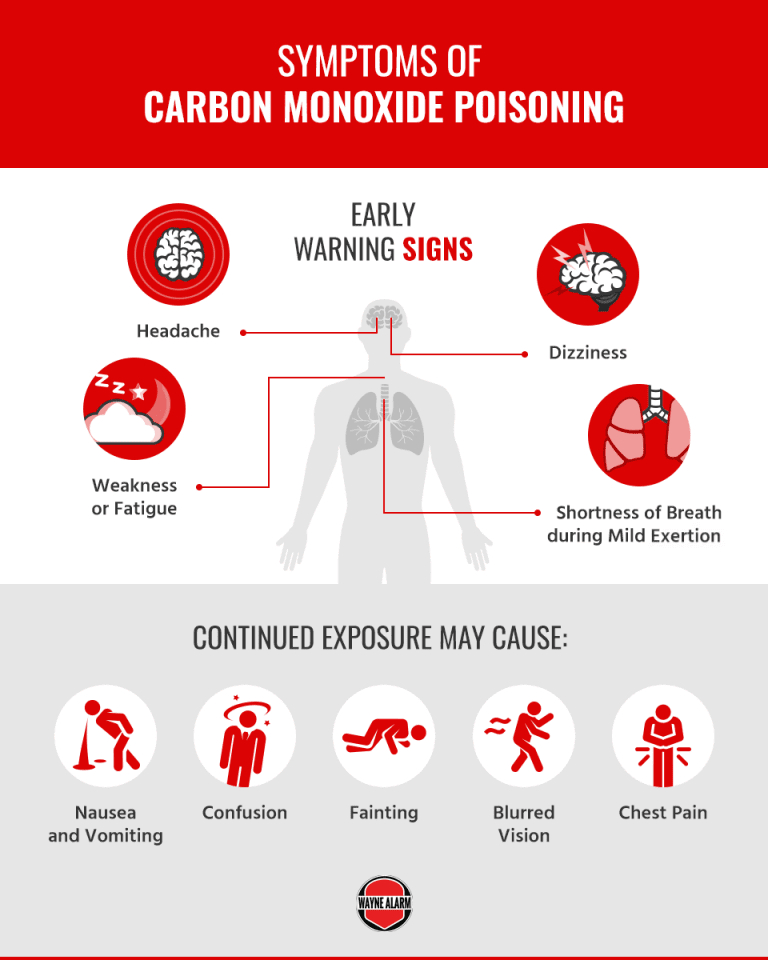
The telltale symptoms of CO poisoning are:
Headache
Dizziness
Confusion
Fatigue
Nausea
Vomiting
Chest Pain
Blurred Vision
Shortness of Breath
Loss of Muscle Control
According to the CDC, “Carbon monoxide symptoms are often described as ‘flu-like’.”
CO poisoning can be reversed if caught in time, but acute poisoning may result in permanent damage to the heart and brain. The OSHA permissible exposure limit (PEL) for CO is 50 parts per million (ppm) averaged during 8 hours.
Most CO deaths occur in the colder months of the year, with more than half of the deaths occurring during the four coldest months November through February.
Carbon monoxide is also flammable and will burn as it has a flashpoint of -311.8 degrees Fahrenheit (-191 Celsius). This means it can catch fire very easily. It just needs to be well-saturated in the structure and a spark will ignite it.
Safety tips from the CDC to avoid carbon-monoxide poisoning include:
- Install a battery-operated carbon monoxide detector near every sleeping area in your home and replace the battery when you change the time on your clocks each spring and fall.
- Replace the carbon monoxide detectors every five years.
- Don’t use a generator, charcoal grill, camp stove, or other gasoline or charcoal-burning device inside your home, basement, or garage.
- Don’t run a car or truck inside a garage attached to your house, even if you leave the door open.
- Don’t burn anything in a stove or fireplace that isn’t properly vented. Have your chimney checked or cleaned yearly.
- Don’t heat your house with a gas oven.
If you have the symptoms listed above and believe you have been exposed to high levels of carbon monoxide:
- Seek immediate medical attention.
- Open doors and windows and leave them open to ventilate the space
Sources of carbon monoxide in the house include:
- Poorly functioning heating systems,
- Gas water heaters
- Fuel-burning devices with no vents (EX: kerosene heaters, charcoal grills, camping stoves, and gasoline-powered electrical generators)
- Motor vehicles
If a power outage occurs, here are some tips for using portable generators.
- Follow instructions for portable generators to avoid mishandling. Follow labels, instructions, and warnings on the generator and in the owner’s manual.
- Never operate a portable generator inside a home, garage, basement, or any enclosed space even if you have doors and windows open.
- Never use a portable generator in a carport where CO can accumulate.
- Place a portable generator outside at least 20 feet from the building.
- Look for portable generators that have a CO shut-off safety feature. This safety feature automatically shuts off the generator when high levels of CO are detected around the generator.