The Opioid Epidemic in Kentucky
By PJ Martin
Editor
The Herald-News
We hear it daily—on the news, radio, and social media: someone has overdosed. That someone could be your neighbor, a friend, or even a family member.
Kentucky has been at the forefront of the opioid crisis since the early 2000s. According to the National Institutes of Health (NIH.gov), the Commonwealth has consistently ranked among the highest in opioid-related fatalities. Yet, recent numbers provide a glimmer of hope.
In 2022, the Kentucky Department for Public Health reported 2,138 drug overdose deaths. That number declined to 1,969 in 2023 and dropped even further to 1,391 in 2024. While this downward trend is encouraging, opioid addiction remains a serious public health crisis across the state.
Who’s Most Affected?
Contrary to popular belief, overdose victims are usually not teenagers experimenting with drugs for the first time. The hardest hit age group in Kentucky is adults aged 35-44. According to data compiled by the Kentucky Department for Public Health.
This age group has consistently held the highest overdose rate since 2022, with 659 overdoses. In 2023, that number had dropped to 581, and in 2024 to 379. That’s a 42% drop over two years. Despite the significant drop, this age group still holds the highest overdose rate.
Individuals in rural areas face added challenges, including limited access to addiction treatment, a greater risk of homelessness, a greater risk of contracting HIV or Hepatitis C. Following those are the social problems connected to criminal acts to support the drug habit, higher rates of domestic violence, prostitution, trafficking, and child neglect (RuralHealth.us).
Understanding which substances are driving the epidemic is key to prevention and treatment efforts.
Most Harmful Drugs
Toxicology data from the Kentucky Office of State Medical Examiners reveal that 90% of overdose deaths in 2022 involved opioids. In 2022, Fentanyl was present in 72.5% of the cases, according to the Kentucky Harm Resistance Coalition.
In 2024, of the 1,529 drug overdose deaths in Kentucky, individuals had multiple substances in their systems. The Drug Overdose Fatality Surveillance System (DOFSS) compiled a list of substances that were most commonly detected.
| Fentanyl – 962 | Ethanol – 209 |
| 4-ANPP – 864 | Morphine – 165 |
| Methamphetamine – 781 | Para-Fluorofentanyl – 163 |
| Amphetamine – 650 | Naloxone – 146 |
| Acetyl fentanyl – 424 | Clonazepam – 135 |
| Caffeine – 372 | Oxycodone – 118 |
| Nicotine – 328 | Hydrocodone – 117 |
| Cocaine – 314 | Alprazolam – 107 |
| THC – 239 | Buprenorphine – 90 |
Although this is a fairly comprehensive list, many prescription drugs and other substances were also detected.
Most people are not familiar with 4-ANPP, which is listed as the second-most common drug in the 2024 toxicology report. According to the American Council on Science and Health, it is the precursor chemical used in the making of fentanyl. It lists only two uses for the substance to make fentanyl or to sell to someone to make fentanyl.
Fighting Back
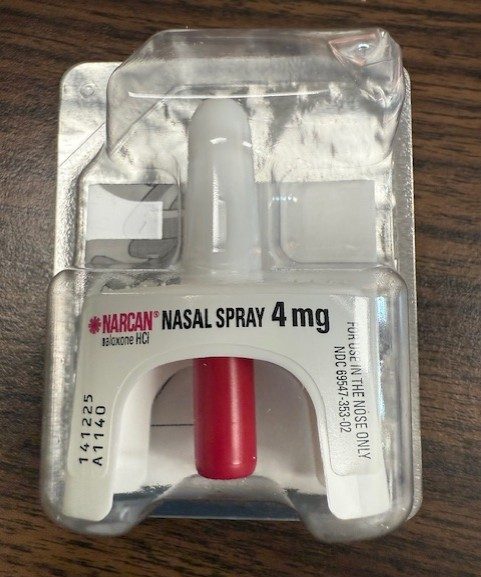
The statistics suggest that Kentucky is making progress. The availability of Naloxone, or Narcan, has put emergency treatment in the hands of the public; however, Narcan is only a short-term solution meant to buy time to get the person medical care. After the first 30 – 90 minutes, the patient can go back into overdose symptoms.
Other programs including needle exchanges and mobile outreach programs are controversial but provide assistance in reaching the most vulnerable areas.
The Kentucky State Police Angel Initiative, launched in 2016, allows any individual suffering from addiction to walk into any KSP Post and ask for help. To date, there have been 198 individuals placed in treatment through this program (KSP.gov).
Some programs are adding more mental health services and providing job training for recovering individuals to help them regain stability and independence.
Treatment Facilities
In Kentucky, eight state-funded treatment centers offer people facing addiction low-cost and free treatment options. They offer both residential and outpatient treatment. These programs may be in high demand and have a waitlist.
The eight state-funded facilities:
- Arc Counseling Centers – Mt. Sterling
- Center for Behavioral Health – Richmond
- Ethan Health – Richmond
- DeNova – Lexington
- KVC Behavioral Healthcare – Lexington
- New Vista – Richmond
- Roaring Brook Recovery – Lexington
- Stepworks Recovery Center – London
Recognizing the Signs of an Overdose
- Blue or grayish lips and fingernails
- Clammy, sweaty skin
- Shallow or raspy breathing, snoring, or gurgling sounds
- Won’t wake up to yelling their name or to a sternum rub
If the person is semi-conscious and breathing, stay with them. Keep them talking and alert. Watch their BREATHING. Someone can slip into an overdose hours after they have used drugs.
Have your Naloxone (Narcan) kit close by. It just might save a life.
Keep reading the Herald-News for updates on treatment plans and facilities to help fight opioid addiction.