Childhood Cancer Awareness Series

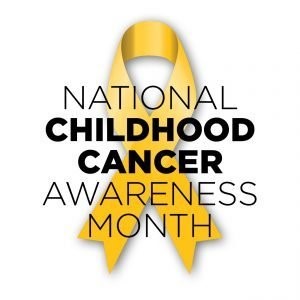
One way to help raise awareness about childhood cancer is to “Go Gold” during the month of September by wearing the color gold and/or gold ribbons. Doing so helps show your support for those who have been affected by pediatric cancer. Photo: Metro Creative Connection.
Part One: Facts & Research
Mary Beth Sallee
Jobe Publishing, Inc.
September is National Childhood Cancer Awareness Month, a time to honor those affected by pediatric cancer, as well as raise awareness and provide support for continued research.
According to the American Childhood Cancer Organization, approximately 1 in 285 children in the United States will be diagnosed with cancer before reaching their 20th birthday. It is estimated that nearly 16,000 children ages 0-19 are diagnosed with cancer each year in the U.S. That means that every three minutes, a family hears the devastating diagnosis that their child has cancer.
Common cancers that occur in adults such as breast, lung, colon, and other cancers, rarely occur in children. Yet, childhood cancers tend to be more aggressive than adult cancers. There are several specific types of childhood cancers, including:
- Spinal Cord Tumors
- Leukemia (blood cancer)
- Osteosarcoma (bone cancer)
- Retinoblastoma (eye cancer)
- Wilms Tumor (kidney tumors)
- Sarcomas (soft tissue cancer)
- Hepatoblastoma (liver cancer)
- Neuroblastoma (nerve cancer)
- DIPG (a type of brain stem cancer)
- Brain Cancers (and brain stem tumors)
- Lymphoma (cancers that develop in the lymph system, Hodgkin’s and Non-Hodgkin’s)
- Rhabdoid Tumors (rare and highly aggressive tumors, generally found in the cerebellum of the brain)
Just like with most adult cancers, many childhood cancers have a higher survival rate if diagnosed within the early stages of the disease. Unfortunately, childhood cancers can frequently be misdiagnosed or even overlooked as early symptoms are often mistakenly attributed to more common illnesses or injuries.
Therefore, it is recommended that children receive routine medical check-ups. Parents are also encouraged to pay close attention to the development of any unusual or chronic symptoms. This may include, but is not limited to:
- Limping
- Sudden weight loss
- Abrupt vision changes
- Tendency to bruise easily
- A whitish color behind the pupil
- Pale complexion and loss of energy
- Pains that linger in one area of the body
- Headaches, often occurring with early morning vomiting
- Persistent fever and/or nausea, often accompanied by vomiting
- Unusual lump or swelling, particularly around the pelvis, abdomen, chest, armpits, or neck
Although childhood cancer unfortunately remains the leading cause of death by disease for American children, most cancer research at the state level is dedicated to adult cancers, not pediatric cancer. Additionally, childhood cancer research is also underfunded by the federal government. In the past 30 years, only seven drugs have been approved by the Food and Drug Administration to help treat pediatric cancer. Within this same time over 200 drugs have been approved for adults in their fight agaist cancer.
Therefore, it is everyone’s responsibility to help raise awareness about childhood cancer and also advocate for better funding. One way to do so is to “Go Gold” during the month of September by wearing the color gold and/or gold ribbons. Doing so helps show your support and acknowledgment for the thousands of children and their families who have been affected by pediatric cancer.
In an effort to help raise awareness, the Hart County News-Herald is featuring a series of stories with local families who have been affected by childhood cancer. These stories will begin running in next week’s edition of our newspaper.
For additional information about childhood cancer and how to help raise awareness, visit the following websites:
- American Childhood Cancer Organization – acco.org
- Alex’s Lemonade Stand Foundation for Childhood Cancer – alexslemonade.org
- Jude Children’s Research Hospital – www.stjude.org